








Suggested Searches

Blogs

  • NASA’s Eyes software: August release notes

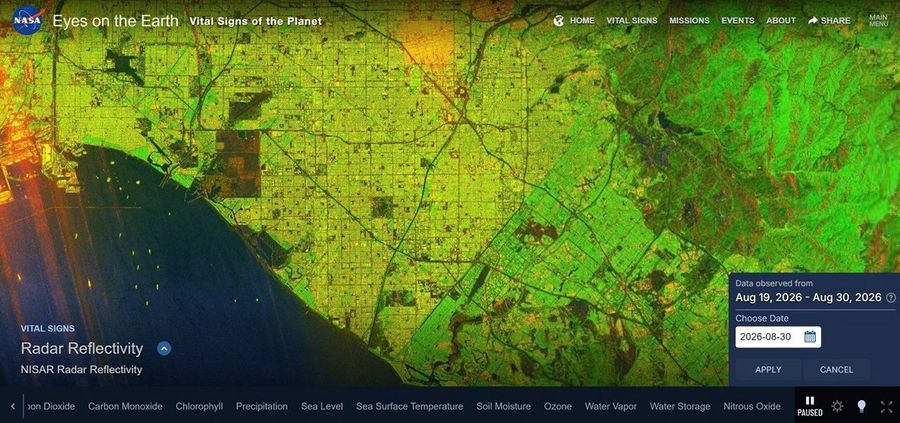
    On August 4, 2026, a major update to Eyes on the Solar System was released that included full Mars terrain. Now you can land on the surface of Mars and explore the entire planet if you are on a desktop or laptop computer. To use the feature anywhere in the application, just hit “k” on […]

  • NASA’s HASP Scientific Balloon Launches from Fort Sumner

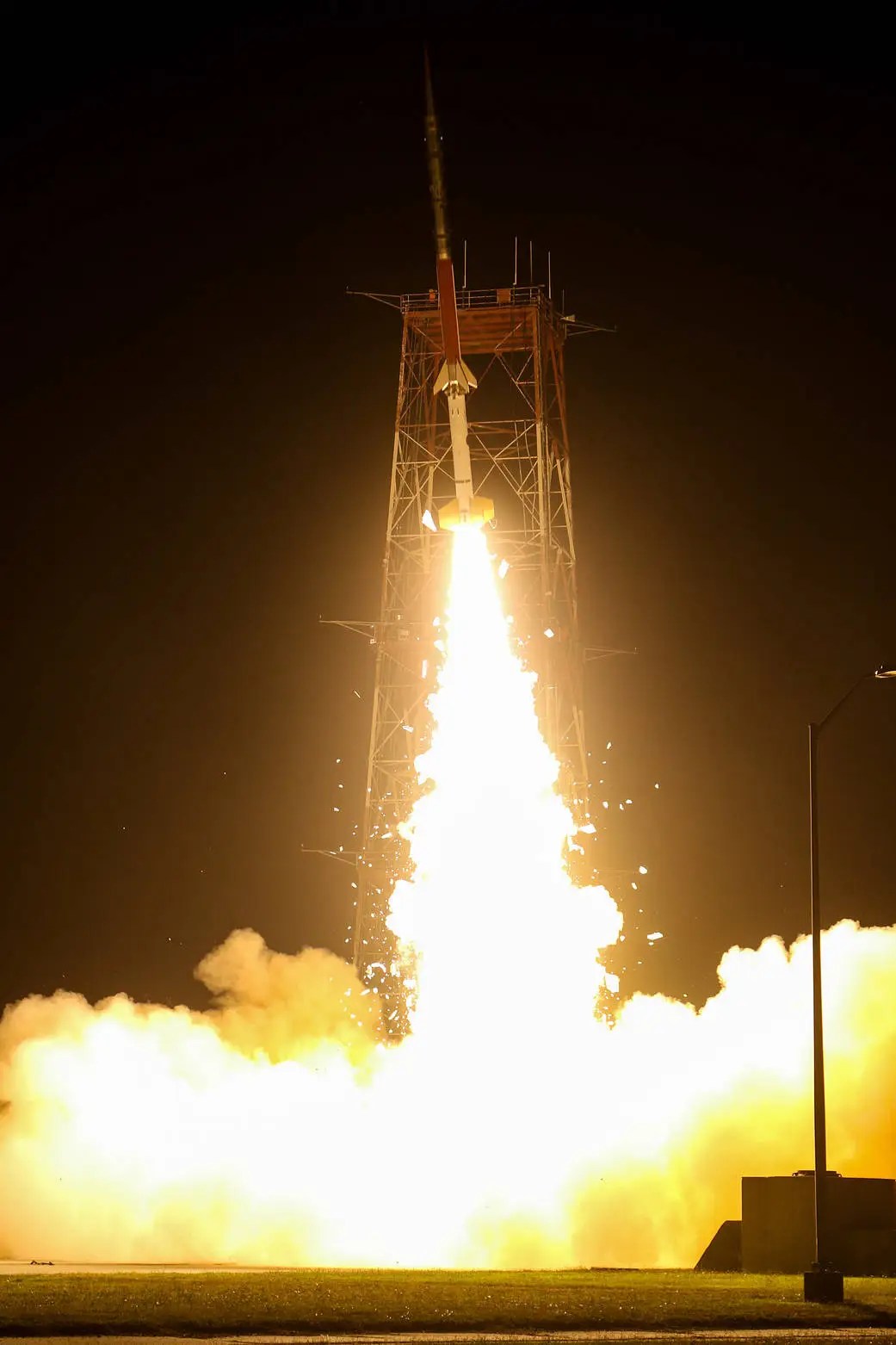
    The HASP mission was launched on a scientific balloon from NASA's launch facility in Fort Sumner, New Mexico, at 8:05 a.m. MDT (10:05 a.m. EDT). The balloon and payload reached a float altitude of around 122,000 feet and flew for a total of 6 hours, 45 minutes.

    This year’s campaign marks the 20th flight for the High-Altitude Student Platform carrying payloads developed by student teams. Over the course of two decades, more than 1,900 students from about 25 institutions across the United States have participated in flying experiments on the balloon platform.

    The High-Altitude Student Platform program is a partnership among the Louisiana Space Grant Consortium, the Astrophysics Division in the Science Mission Directorate at NASA Headquarters, and the agency’s Balloon Program Office and Columbia Scientific Balloon Facility in Palestine, Texas. 


  • NASA’s Dragonfly Gets Wired Up While Titan Landing Area Is Named

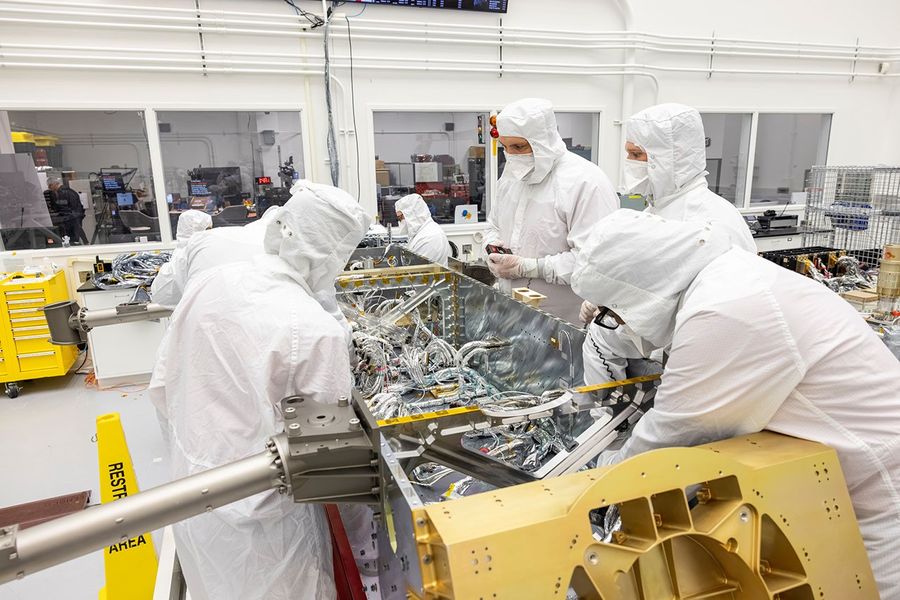
    Peeking into the clean room at the Johns Hopkins Applied Physics Laboratory (APL) in Laurel, Maryland, it might be one of the first things you notice about NASA’s Dragonfly: the dozens of silver cables snaking around and through the structure of the in-progress, Titan-bound rotorcraft. Collectively, these bundles of wires, cables, and connectors make up […]

  • NASA Roman’s Planet Imager Has Powered On

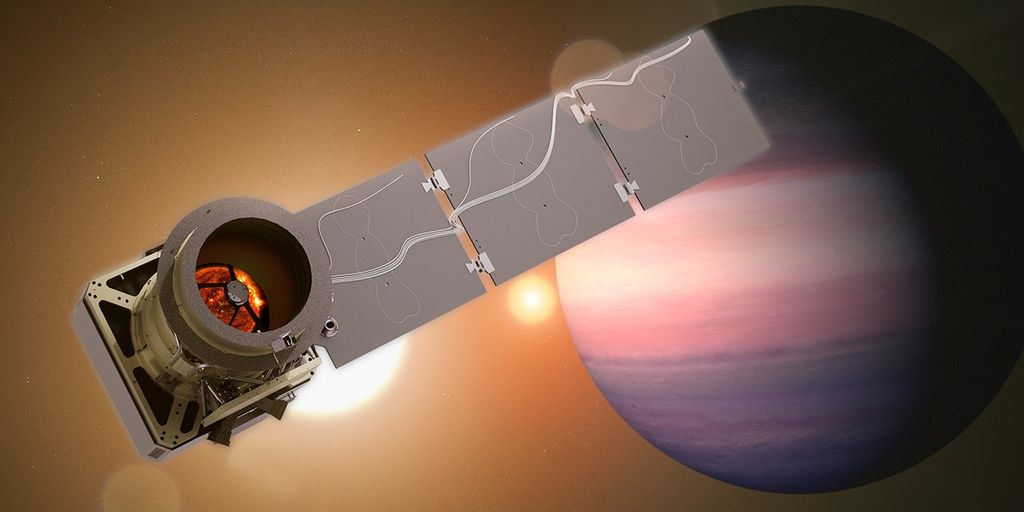
    NASA’s Nancy Grace Roman Space Telescope team has successfully activated the mission’s Coronagraph Instrument, which will block starlight to view planets and dusty disks around nearby stars. Now the instrument will undergo a monthslong series of calibrations and tests prior to beginning full science operations. The coronagraph power-on began at 7:27 a.m. EDT and completed […]

  • NASA Roman Space Telescope’s Antenna, ‘Visor’ Deployed

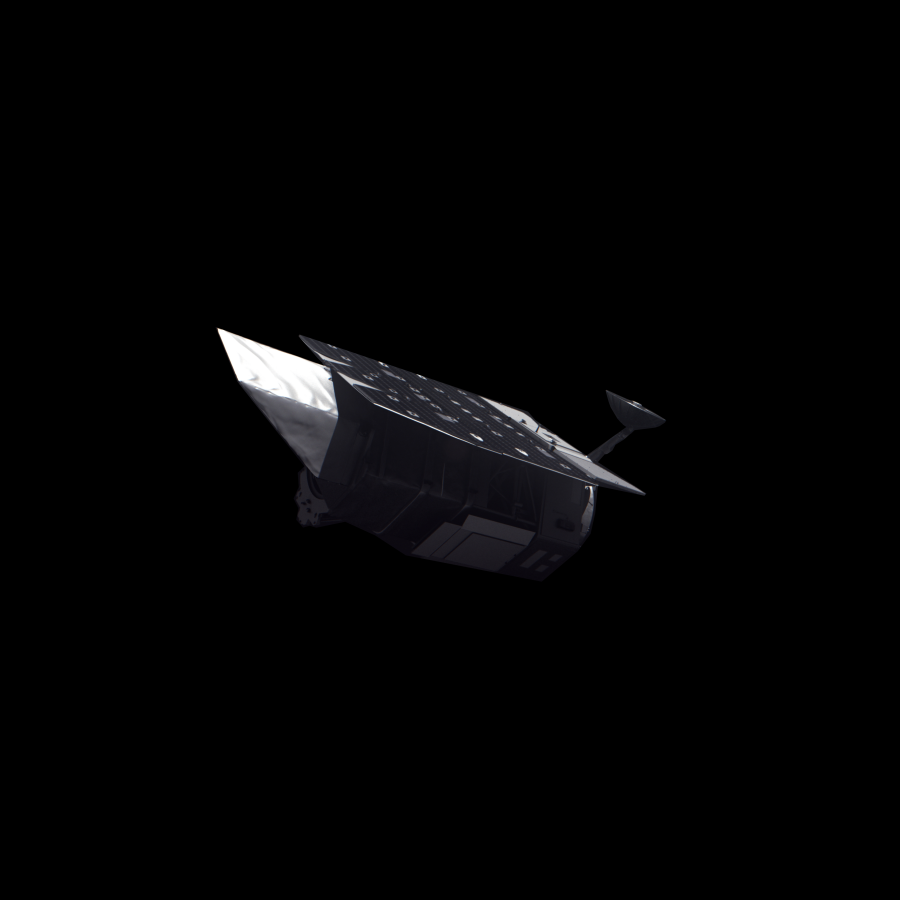
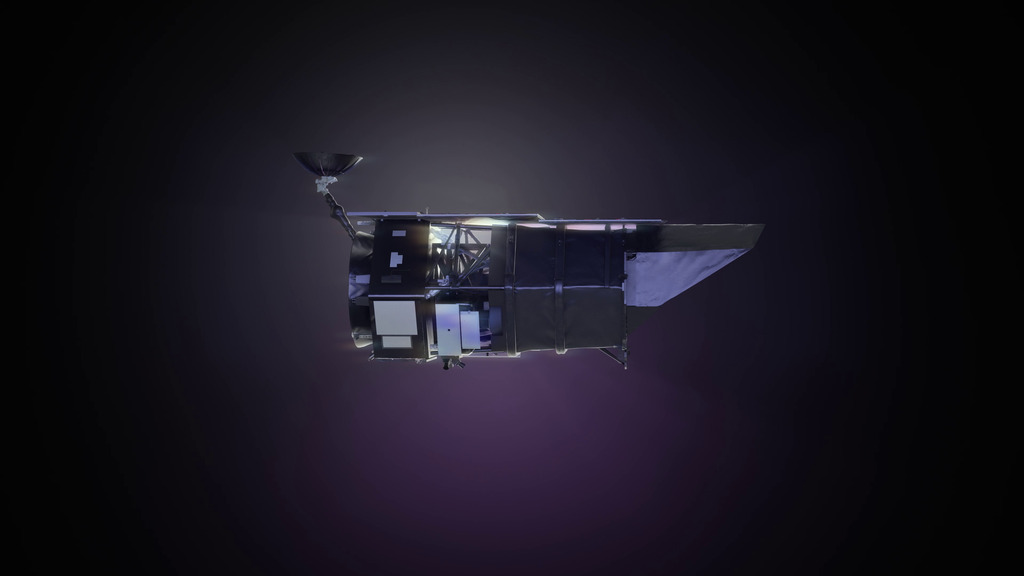
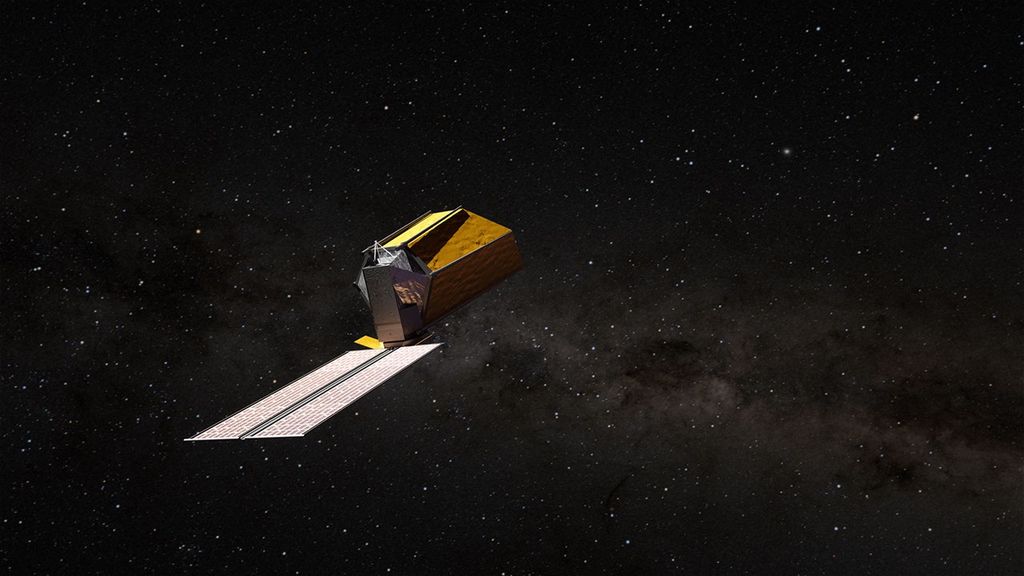
    Roman’s antenna and visor-like sunshade have successfully deployed. Roman will downlink the highest data volume of any NASA astrophysics mission so far via its high-gain antenna, which measures 5.6 feet wide yet only weighs 24 pounds. It’s made of a carbon composite material that weighs very little but will still withstand the spacecraft’s wide temperature […]